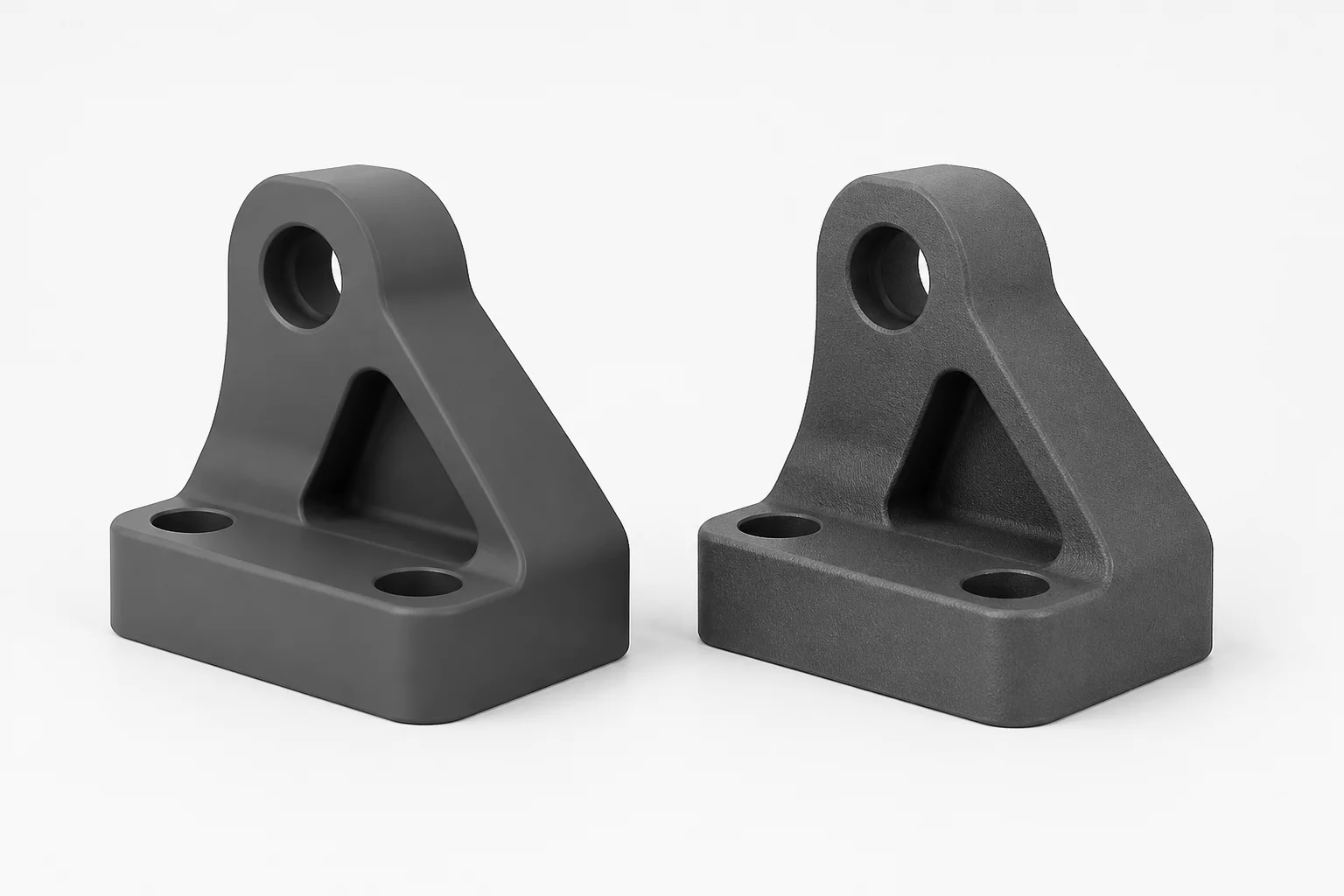
The visual surface of a 3D printed component acts as the first checkpoint for quality assurance. While engineers often focus on mechanical properties and dimensional accuracy, the aesthetic finish of a part carries significant weight in both perception and performance. In many industries, cosmetic differences aren't merely about "looking good"; they indicate the stability of the printing environment and the potential longevity of the part under stress.
Defining the Cosmetic Threshold
Cosmetic variation refers to any visual deviation that does not inherently change the geometric dimensions of the part. This includes slight color shifts, varied surface matte levels, or minor striations in the layer stack. In it, we find markers of how the printer handled temperature fluctuations or material consistency. When these variations become excessive, they cease to be cosmetic and start representing structural risks, such as poor layer adhesion or internal porosity.
Visual standards should be established using physical samples that represent the lower limit of acceptability for surface roughness and color fidelity.
Functional Aesthetics in Engineering
In high-precision fields like fluid dynamics or medical devices, the surface texture directly impacts the functionality. A cosmetic flaw on an internal channel wall can cause turbulence in fluid flow or become a site for bacterial colonization. For consumer electronics, the surface finish dictates the end-user's perception of quality. A scratch or a slight "sheen" difference on a visible panel is often grounds for immediate rejection, even if the internal components are flawless.
Evaluate these five specific factors before finalizing an acceptance decision based on visual criteria:
- Surface Roughness (Ra): Measure the texture if the part involves mating surfaces or fluid contact.
- Color Uniformity: Check for pigment grouping or thermal discoloration, which suggests inconsistent extrusion temperatures.
- Layer Line Visibility: Assess if sudden changes in layer transparency indicate a material feed issue.
- Stair-stepping: Inspect curved surfaces for aggressive stepping that could interfere with assembly tolerances.
- Post-processing Artifacts: Look for marks left by support structures that might weaken thin walls or disrupt aesthetics.
Commercial Implications of Rejection
Rejecting parts for purely cosmetic reasons leads to increased scrap rates and higher production costs. Manufacturers must negotiate clear "visual zones" with their clients. For example, Zone A surfaces (highly visible) require perfect aesthetics, while Zone C surfaces (internal or hidden) allow for significant variation. Establishing these zones early in the design phase prevents costly disputes during the final handoff and ensures that resources are focused where they matter most.
Need Expert Guidance?
Consult our specialized manuals for additive manufacturing standards and part review protocols.