Acceptable Variation
Understanding the precise boundaries between intentional design and manufacturing reality.
Understanding Dimensional and Visual Deviations
In the realm of high-precision manufacturing, absolute perfection is a theoretical ideal. In practice, every manufactured part exhibits some degree of deviation from the original design. The "Acceptable Variation" framework defines the permissible range within which a part remains functional, safe, and aesthetically compliant.
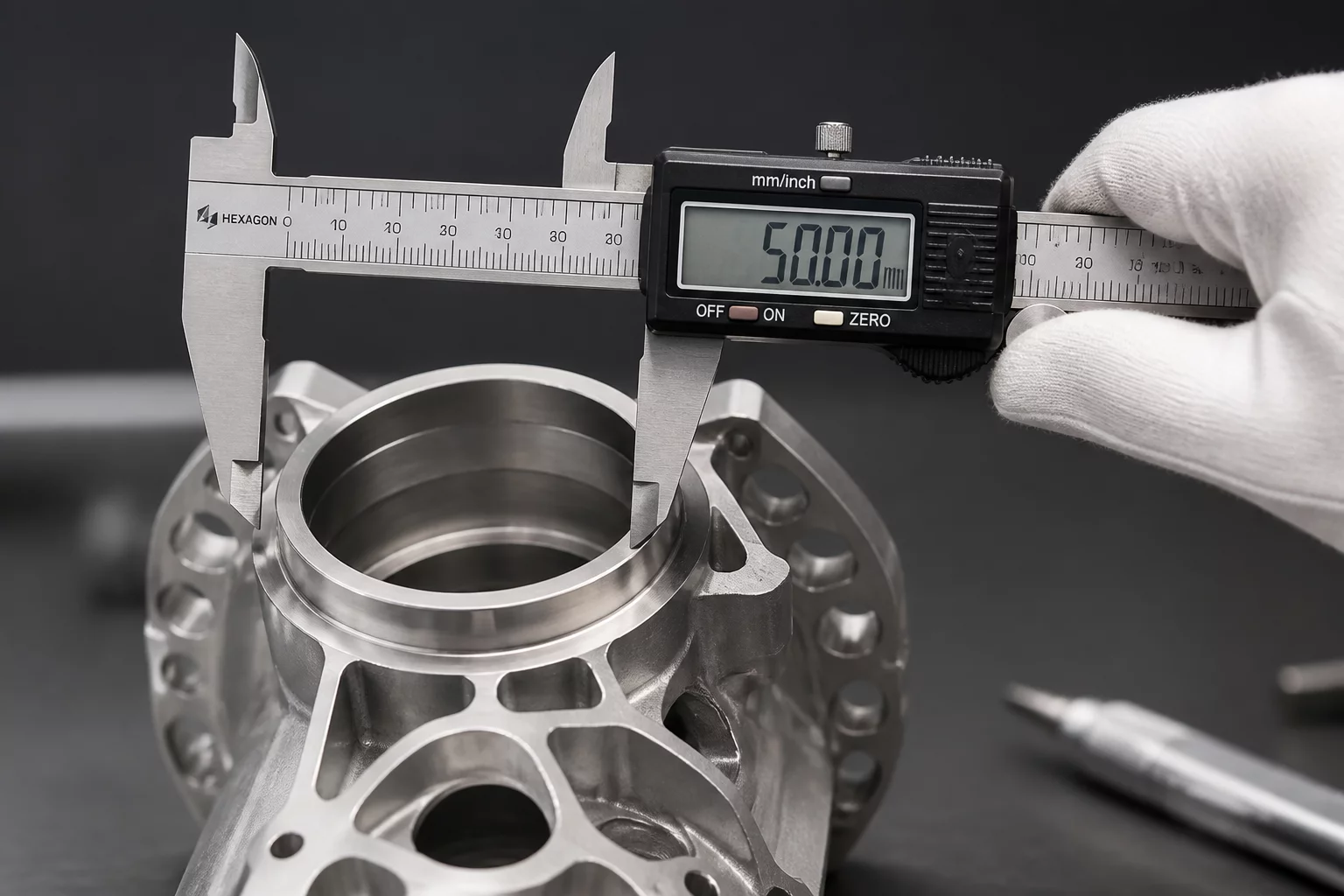
The Golden Rule of Variation
A variation is considered acceptable when it does not compromise the mechanical integrity, assembly requirements, or the intended user experience of the final product. Understanding these boundaries is critical for maintaining throughput without sacrificing quality standards.
Key Vocabulary
Search through standard terminology used in acceptance reviews.
Nominal Value
The theoretical target dimension specified in the technical drawings or 3D models.
Tolerance Zone
The total amount a specific dimension is permitted to vary; the difference between the upper and lower limits.
Surface Artifact
Non-structural visual features such as layer lines, minor cooling marks, or micro-textures typical of the process.
Functional Drift
A gradual change in part characteristics over a production run, requiring recalibration to stay within limits.
Out of Spec (OOS)
A part that falls outside the defined tolerance range and is subject to rejection or rework.
Visual Boundary
The subjective limit of aesthetic deviation that a customer or quality inspector will permit.
No matching terms found. Please try a different search query.