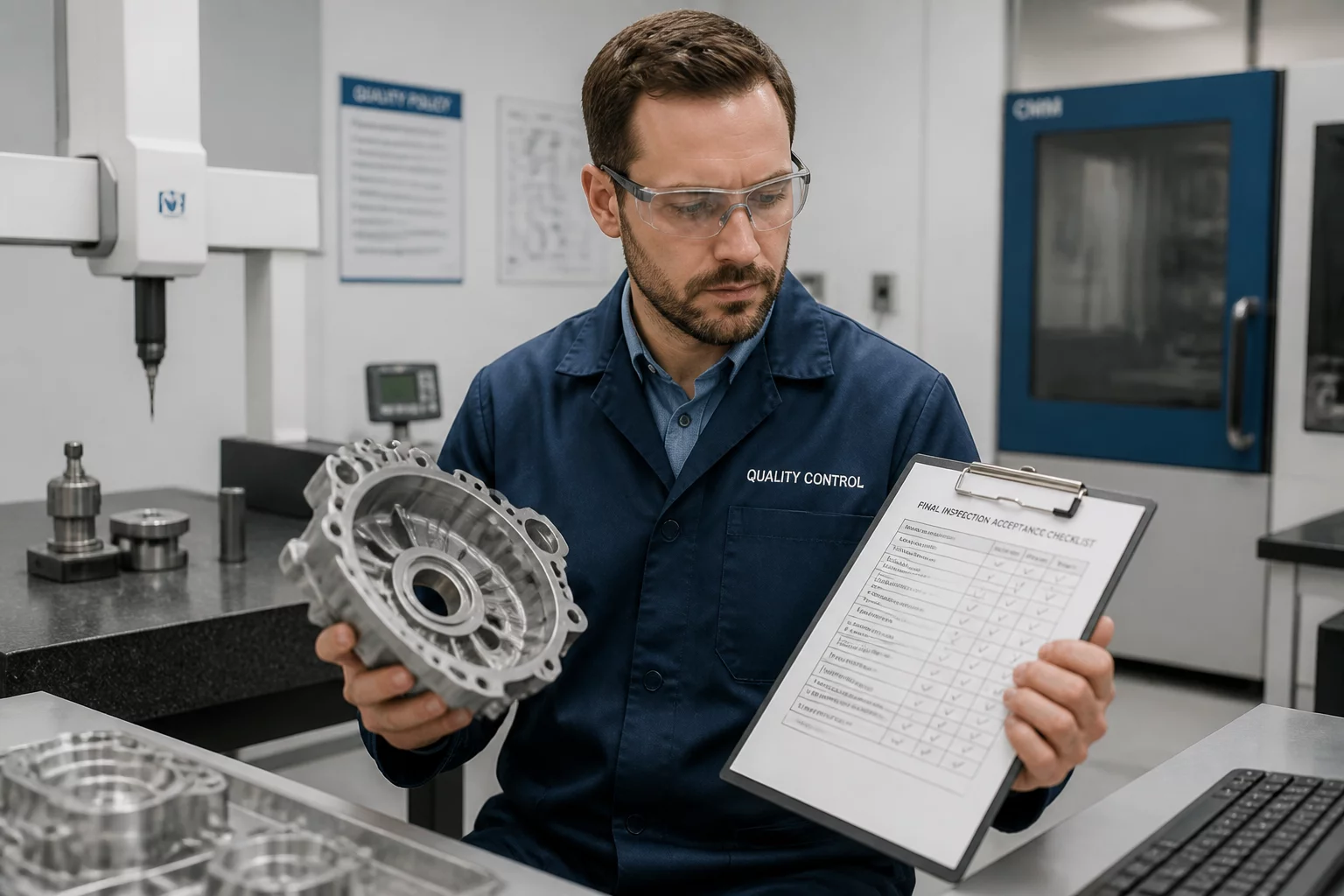
Quality control in additive manufacturing often feels subjective until you put a formal framework in place. When a technician pulls a component from the printer, the initial assessment usually targets visual perfection. However, visual beauty rarely correlates with mechanical integrity. To define part acceptance correctly, teams must distinguish between what is critical for function and what is simply a preference for aesthetics. This distinction reduces waste and speeds up production cycles by preventing unnecessary rejections of perfectly usable parts.
Establishing the Functional Baseline
The core of any acceptance strategy is the functional requirement. You have to start by asking what the part actually does in the real world. If a component sits inside a closed machine where no one ever sees it, cosmetic flaws like minor discoloration or tiny z-seam blobs shouldn't trigger a rejection. We categorize these as preferred requirements rather than critical ones. A critical requirement might include the diameter of a mounting hole or the flatness of a mating surface. If these fail, the part is useless regardless of how nice it looks.
The Vocabulary of Acceptance
Using words like "smooth" or "strong" leads to inevitable arguments between designers and operators. Instead, acceptance notes should use specific measurements and technical standards. Surface roughness below a specific micron count or dimensional accuracy within a strict tolerance range leaves no room for debate. It creates a solid bridge between the digital model and the physical object. When everyone uses the same vocabulary, the review process becomes a data-driven exercise rather than a matter of opinion.
- Check the primary dimensions using a calibrated micrometer or digital caliper.
- Inspect the surface for non-conformities that exceed the defined roughness limit.
- Test the mechanical fit within the intended assembly to verify functional tolerance.
- Record the final decision using the approved technical vocabulary of the project.
Repeatability and Batch Logic
One successful print doesn't mean the process is accepted for production. True acceptance comes from seeing the same result three or four times in a row across different build cycles. It is about consistency across the build plate and throughout the manufacturing run. Stability metrics help determine if a process is drifting or if the environmental factors are affecting the material properties. Otherwise, you might accept a fluke and fail the entire production batch later.
The Final Handoff Documentation
Documentation serves as the final gatekeeper for quality assurance. Every acceptance note needs to be clear, concise, and backed by recorded data points. It helps the next person in the production line understand exactly why a part moved forward or why it was flagged for review. Without this record, you lose the ability to learn from past failures. Proper handoff checklists turn individual expertise into a repeatable company standard.
Need Expert Guidance?
Consult our specialized manuals for additive manufacturing standards and part review protocols.