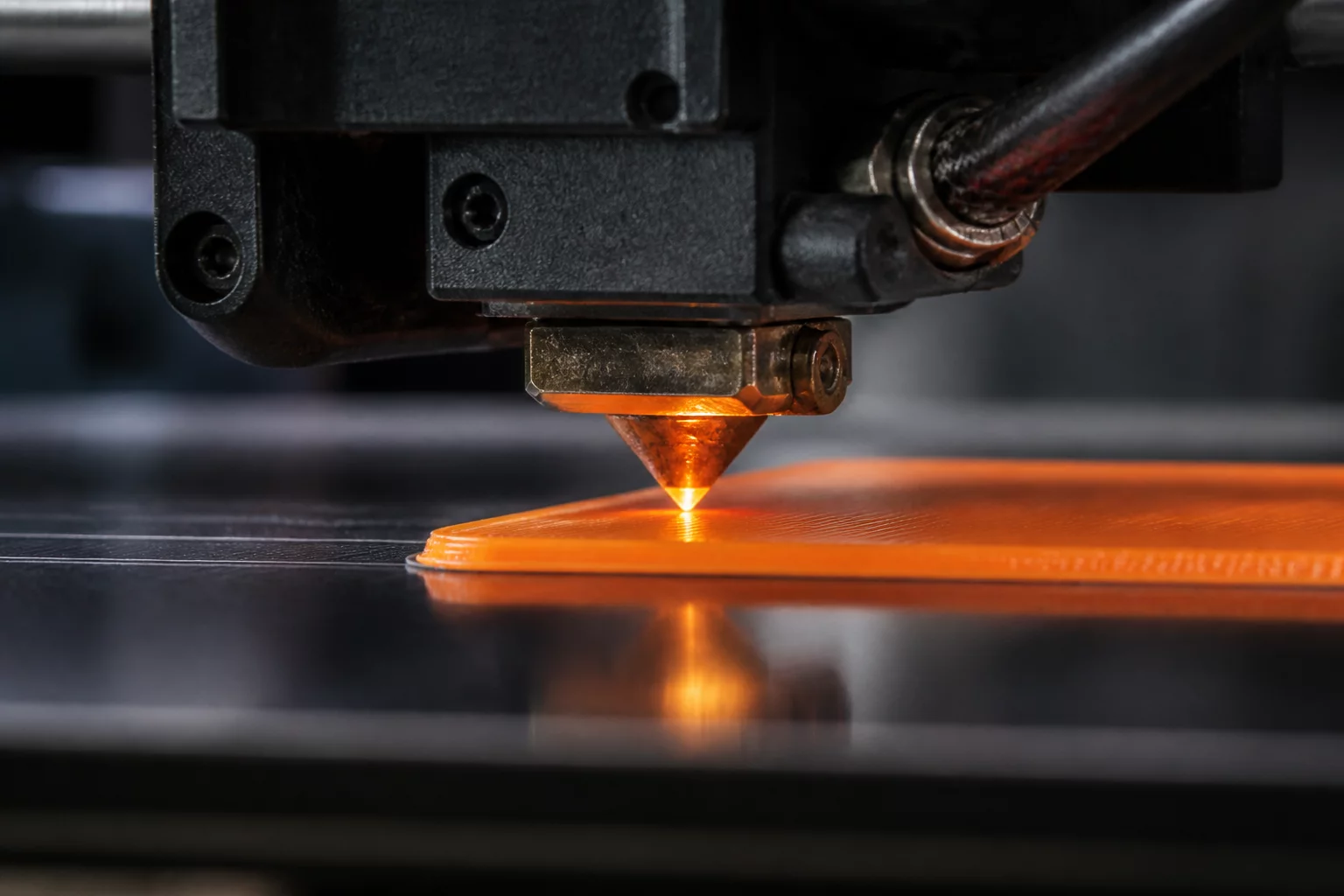
In the world of additive manufacturing, particularly with Fused Deposition Modeling (FDM), the concept of stability isn't just a technical preference; it is the foundation of structural integrity. When we talk about continuous extrusion, we are looking at a complex balance of thermodynamics, fluid dynamics, and mechanical precision. If the flow of molten polymer fluctuates even by a small percentage, the resulting part may suffer from voids, weak layer adhesion, or dimensional inaccuracies that make it unfit for industrial use.
Volumetric flow consistency plays a crucial role
One of the most significant metrics in extrusion stability is the volumetric flow rate. This measures how much material actually leaves the nozzle per second compared to what the slicer software expects. Discrepancies often arise from filament diameter variations or friction within the Bowden tube. To maintain a functional threshold, operators must monitor the motor's torque and the actual output mass. A deviation of more than 2% in flow consistency typically triggers a review, as it leads to under-extrusion, which compromises the tensile strength of the finished component.
Molten pool dynamics depend on thermal stability
Temperature control is the second pillar of stability. The extruder must maintain a near-perfect thermal equilibrium to ensure the polymer reaches the correct viscosity. If the heater cartridge fluctuates, the material might become too runny or too viscous, leading to 'blobs' or 'zits' on the surface. Furthermore, the thermal gradient between the freshly deposited layer and the previous one determines the quality of the polymer chain entanglement. Without consistent heat, the layer-to-layer bond becomes a point of failure, often resulting in delamination under stress.
Layer height precision is governed by geometric tolerances
Finally, we must consider mechanical stability. The Z-axis movement and the nozzle-to-bed distance are critical. In large-scale continuous extrusion, the weight of the part itself can cause slight shifts in the build plate or the gantry. Stability metrics here involve measuring layer height uniformity across the entire build area. Even a microscopic tilt can lead to an accumulation of error over hundreds of layers. Establishing clear functional thresholds for these geometric variances allows teams to decide early in the process whether a print will meet the final acceptance criteria or if it should be restarted to save time and material.