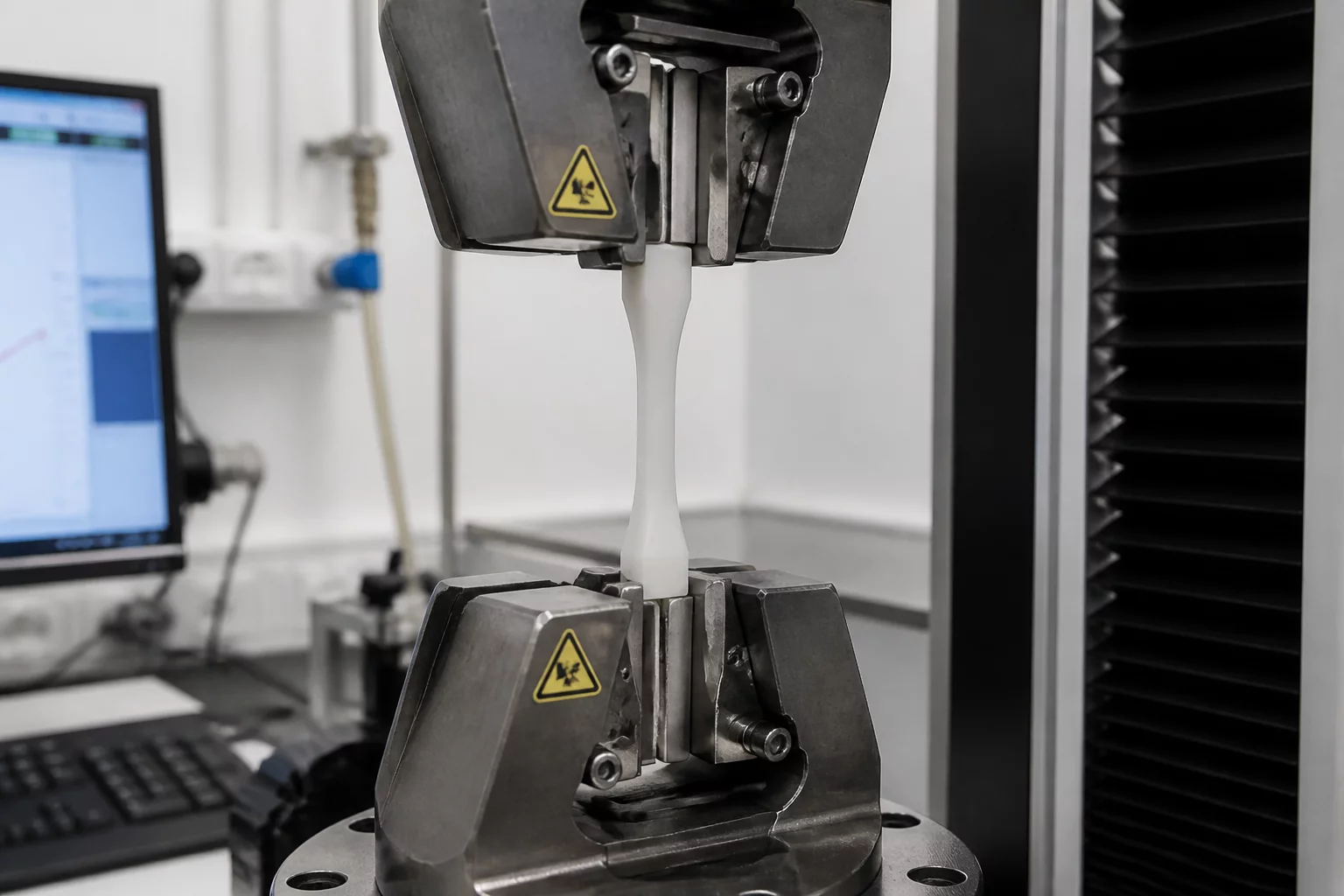
Tensile strength acts as the primary benchmark for the structural integrity of 3D printed components. In additive manufacturing, unlike traditional injection molding, this strength is not just a material property but a direct consequence of the printing process itself. Evaluating its consistency involves more than checking a single specimen; it requires understanding how performance varies across different build locations, material batches, and printing sessions. Consistency ensures that the safety margins designed into a part remain valid throughout its entire lifecycle.
The Role of Standardized Evaluation
Standardized testing typically utilizes "dogbone" specimens, which are printed alongside functional parts to represent their internal structure. These specimens undergo destructive testing to measure the maximum stress they can withstand before failure. We look for a tight distribution of results across the build plate. If one specimen fails at 50 MPa and another at 30 MPa under identical settings, the process lacks the stability required for engineering applications.
- Specimen Alignment: Testing consistency across X, Y, and Z axes to account for material anisotropy.
- Batch Tracking: Comparing strength data from the first build of a production run to the final unit.
- Failure Mode Analysis: Determining if failure occurred through layer separation or material tearing.
- Environmental Factors: Monitoring how ambient humidity and temperature fluctuations impact final strength.
Defining Acceptable Variation Thresholds
Acceptable thresholds are defined by the specific functional application of the part. For a cosmetic enclosure, a 20% variation in strength might be tolerable, whereas a load-bearing structural bracket might demand a standard deviation of less than 5%. Engineers must set these functional limits before production starts. When tensile data falls outside these bounds, it signals a need to review machine calibration, nozzle wear, or filament moisture content.
Reliability comes from repeatable results. By establishing clear thresholds, teams can make objective decisions about part acceptance. Instead of guessing if a component is "strong enough," they rely on data-driven metrics that correlate directly to the functional requirements of the end-use environment. Stability is the foundation of trust in additive manufacturing production.