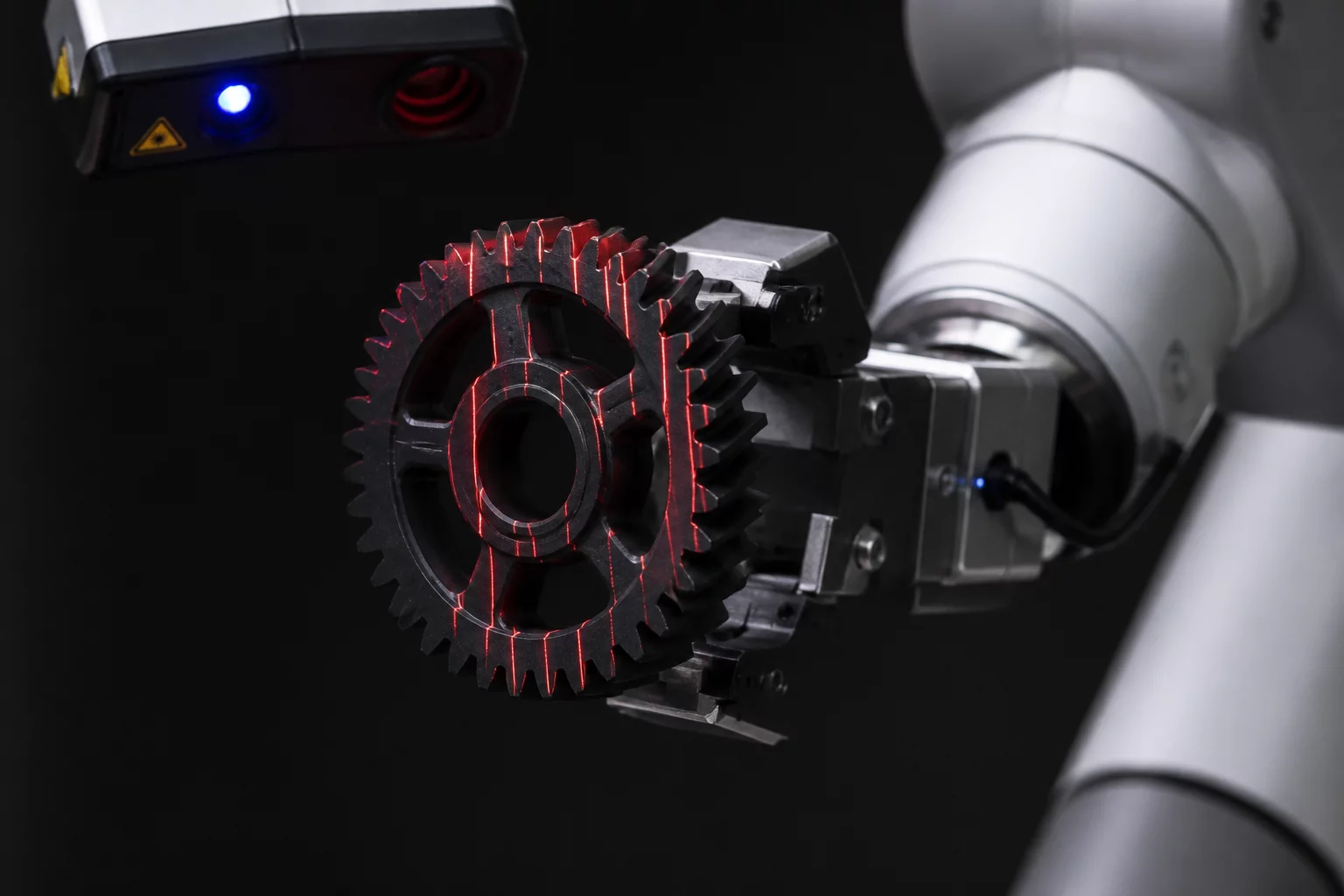
Polymer Additive Manufacturing (AM) has shifted from simple prototyping to heavy-duty production. As this happens, the definition of functional thresholds becomes the backbone of quality control. A functional threshold marks the specific point where a part stops performing its intended role and enters a state of failure. Without these quantified boundaries, acceptance decisions remain subjective and unreliable.
The Core Purpose of Thresholds
In a production environment, thresholds serve as the definitive "yes" or "no" during part inspection. They are not merely suggestions but rigid limits determined by the engineering requirements of the end application. For a polymer gear, a threshold might involve the exact amount of torque it can withstand before the teeth deform. For a medical device housing, it might be the maximum allowable gap between two assembly parts that ensures a watertight seal.
Key Performance Indicators (KPIs)
Defining these thresholds requires looking at several physical and chemical properties of the printed polymer:
- Mechanical Strength: The yield point where the material undergoes permanent deformation under stress.
- Dimensional Precision: The tightest tolerance required to ensure interoperability with other mechanical components.
- Thermal Resistance: The temperature at which the polymer loses its structural rigidity, often referred to as the heat deflection temperature (HDT).
- Surface Texture: The roughness limit that could affect fluid flow, friction, or bacterial growth in sensitive environments.
Establishing Realistic Safety Margins
Safety margins are added to these functional thresholds to account for production variations. If a part is required to support a 20kg load, the functional threshold for a "good" part might be set at 40kg to compensate for natural fluctuations in layer adhesion and material batch quality. This ensures that even the "weakest" acceptable part in a batch still exceeds the minimum real-world requirement.
Integrating Software Control
Tools like Bambu Studio provide the interface to enforce these thresholds through slicing settings. By locking in specific infill patterns, wall counts, and extrusion temperatures, engineers can ensure that every part remains within the performance boundaries. The data collected from testing these physical parts then feeds back into the slicing profiles, creating a closed-loop system of continuous quality improvement.