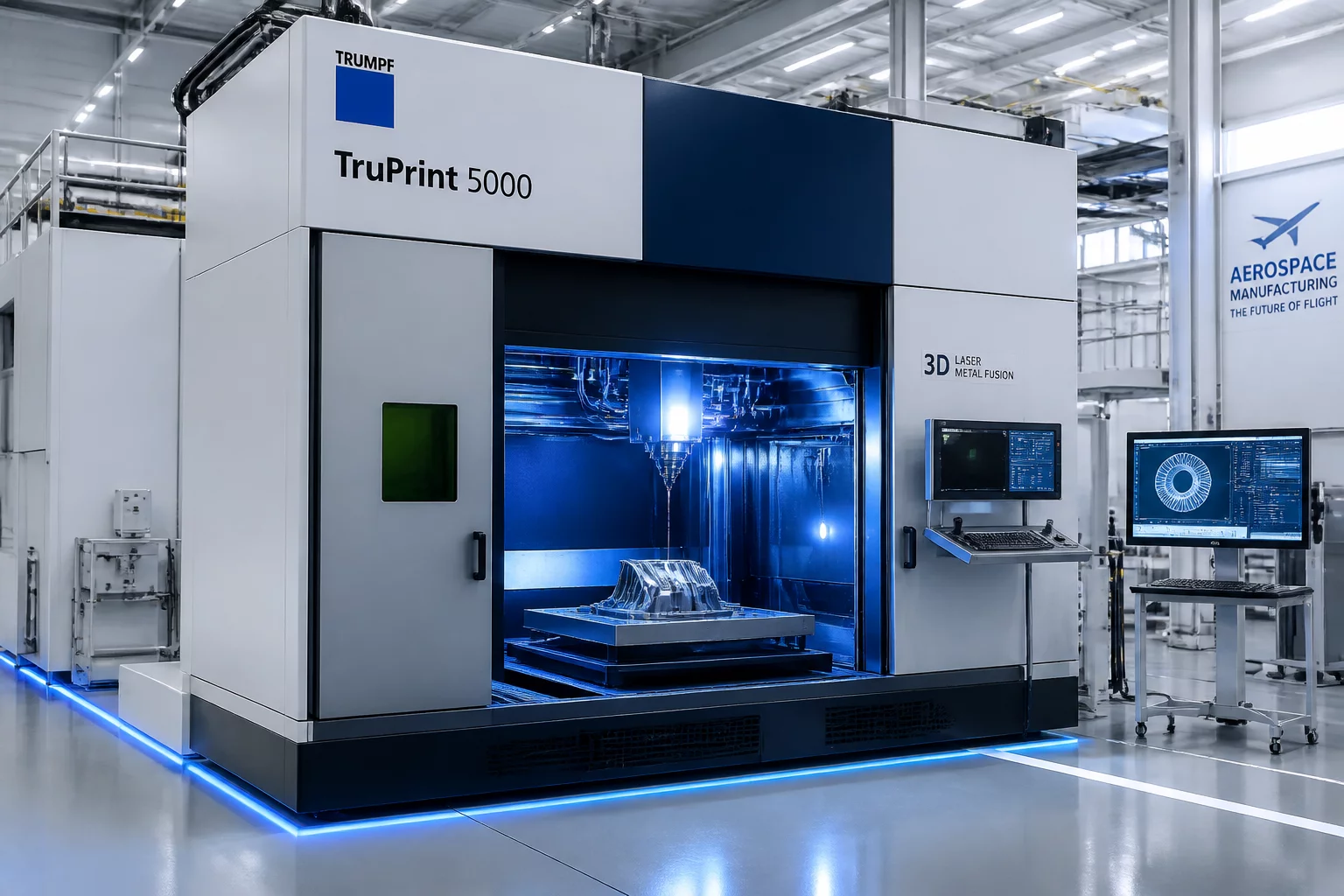
Detailed Analysis and Overview
The release of the ISO ASTM 52941 2026 standard marks a significant milestone for the additive manufacturing industry, specifically for Laser Metal Powder Bed Fusion (L-PBF) systems. This standard provides a rigorous framework for machine manufacturers and end-users to evaluate machine performance during the initial commissioning phase and throughout the equipment's lifecycle. It focuses on the mechanical integrity of the build chamber, the long-term stability of the laser source, and the precision of the powder recoater mechanism. For aerospace and medical facilities, adhering to these tests is not just a best practice; it is a mandatory requirement to ensure every part produced meets the highest quality thresholds.
Regulatory and Quality Standards
Regulatory bodies now look toward ISO ASTM 52941 2026 as the primary baseline for machine qualification. It acts as a standardized language between machine builders and quality assurance departments, effectively eliminating ambiguities regarding machine deviations. The 2026 update addresses the growing trend of multi-laser systems, introducing new metrics for laser alignment and beam overlap consistency. By following these validated procedures, companies can significantly reduce the risk of structural build failures and ensure that their manufacturing processes remain scalable across multiple global production sites.
Core Acceptance Metrics
- Positional accuracy and repeatability of the optical scanner system.
- Consistency of the laser power density across the entire build area.
- Uniformity of the powder layer thickness during the recoating cycle.
Standard Implementation
Putting these standards into practice requires a meticulous, systematic approach. Operators must execute specific test builds featuring geometric artifacts that are specifically designed to expose potential machine flaws. These artifacts undergo inspection using high-precision Coordinate Measuring Machines (CMM) to identify any signs of shrinkage, thermal warping, or dimensional drift. Additionally, the standard highlights the efficiency of the inert gas flow system, ensuring that metallic fumes and spatter are successfully extracted from the build zone. Achieving a certified status through these tests is a vital prerequisite for any high-stakes production environment where quality is non-negotiable.