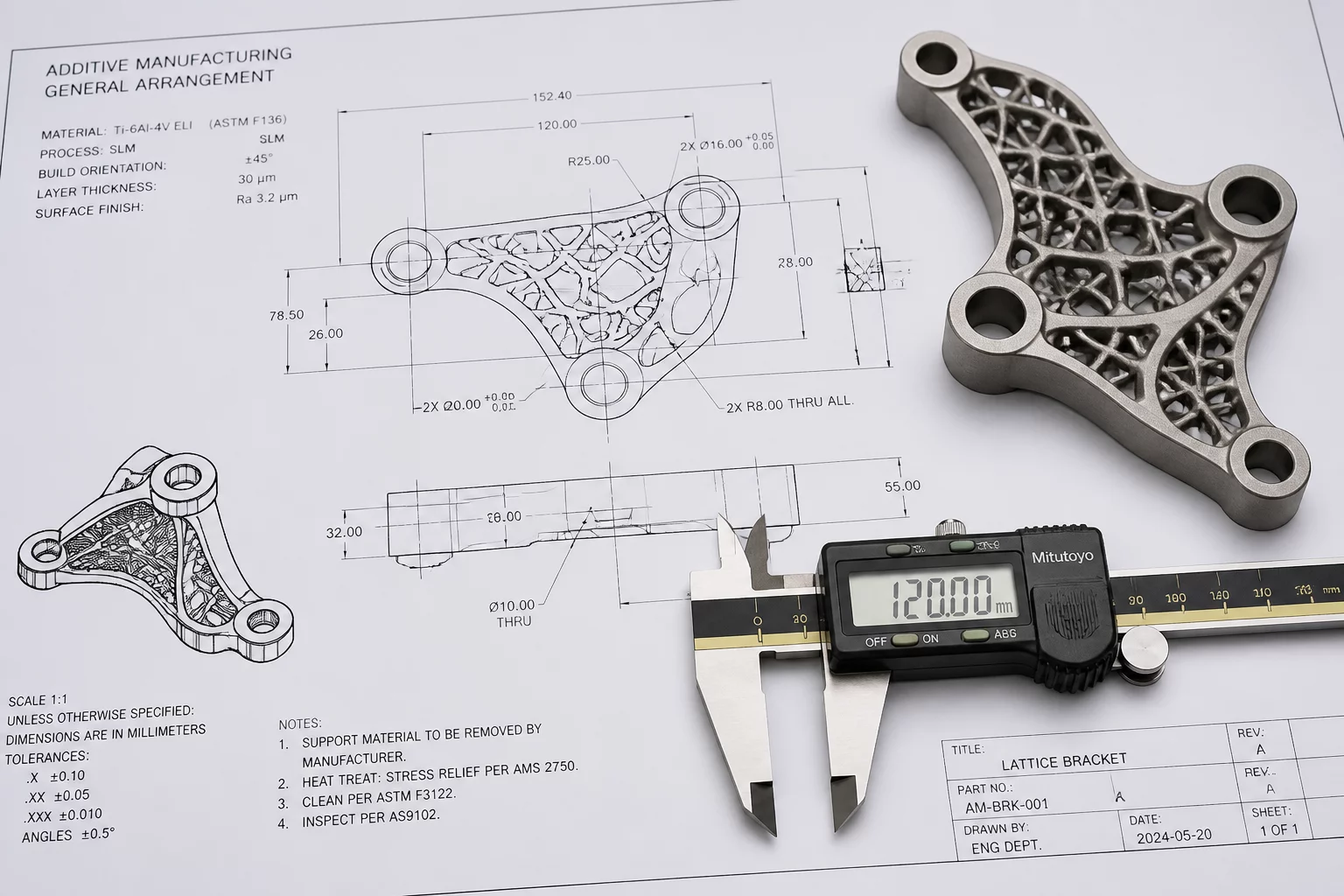
Detailed Analysis and Overview
The release of the latest progress report by the America Makes and ANSI Additive Manufacturing Standardization Collaborative (AMSC) signifies a pivotal moment for the industry. This report serves as a diagnostic tool, identifying specific areas where current standards fail to keep pace with rapid technological advancements. For quality engineers, it acts as a roadmap for developing robust part acceptance criteria. By categorizing 93 individual gaps, the collaborative effort between government and private sectors highlights the path toward a fully certified industrial ecosystem. Understanding these gaps is essential for anyone involved in high-stakes production where failure is not an option.
Regulatory and Quality Standards
Standardization in AM involves a complex web of material properties, process controls, and testing methodologies. The AMSC report prioritizes these gaps based on their immediate impact on safety and scalability. Regulatory bodies are increasingly aligning their requirements with these findings to streamline the certification of new materials. It addresses everything from the characterization of recycled metal powders to the intricacies of non-destructive testing for complex internal geometries. By establishing a shared baseline, these standards ensure that a 3D printed part meets the same rigorous thresholds as its conventionally manufactured counterpart.
Core Acceptance Metrics
- Comprehensive identification of 93 standardization gaps across the AM lifecycle.
- Strategic alignment with ISO and ASTM international framework updates.
- Enhanced protocols for Non-Destructive Evaluation (NDE) and structural integrity.
Standard Implementation
Implementing these emerging standards requires a fundamental shift in manufacturing philosophy. The report underscores the importance of the digital thread—a comprehensive electronic record of a part's creation. This digital traceability is becoming a non-negotiable component of acceptance decisions. As these standardization gaps close, the industry moves closer to a plug-and-play production model where parts can be validated against global benchmarks with absolute confidence. This evolution fundamentally changes how we write acceptance notes and communicate quality thresholds across the entire global supply chain.