Detailed Analysis and Overview
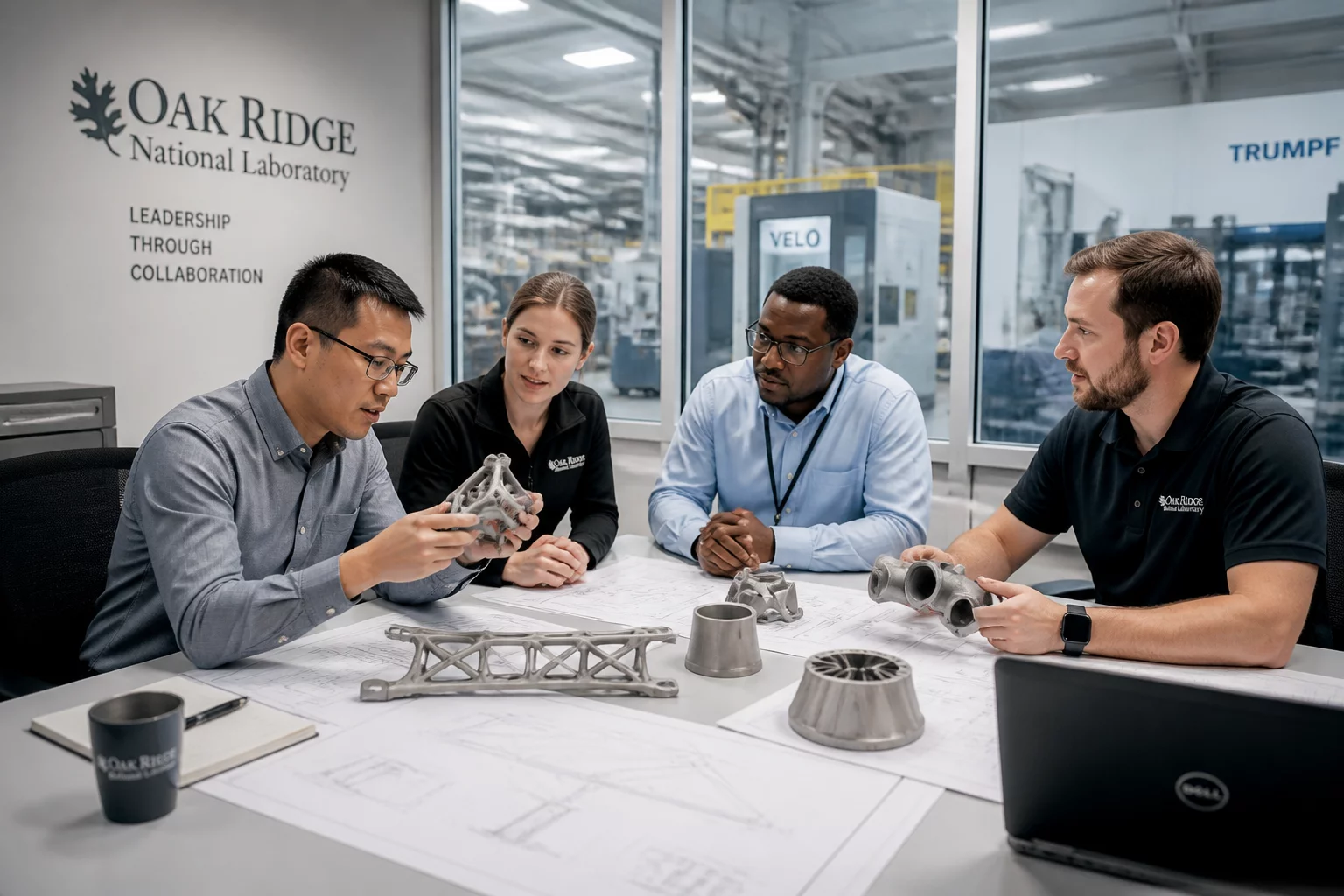
The recent joint meeting between ASTM Committee F42 on Additive Manufacturing Technologies and ISO Technical Committee 261 at the Oak Ridge National Laboratory marked a significant milestone for the industry. Experts from across the globe gathered to address the urgent need for unified standards that bridge the gap between regional requirements and international scalability. Discussions focused heavily on the integration of digital workflows and the qualification of novel materials. ORNL provided a unique backdrop, showcasing advanced manufacturing capabilities that directly inform standard development. Participants explored how data-driven insights from high-performance computing can refine acceptance criteria for safety-critical components in aerospace and medical sectors.
Regulatory and Quality Standards
A primary objective of the F42/TC 261 collaboration is the harmonization of quality standards to prevent market fragmentation. By aligning ISO and ASTM protocols, manufacturers can reduce the cost of compliance and speed up the certification of 3D-printed parts. The meetings at ORNL emphasized the importance of non-destructive evaluation (NDE) techniques and their role in establishing robust quality control loops. Standardizing these methods ensures that a part printed in Europe meets the same functional thresholds as one produced in North America. This synchronization is vital for global supply chains that increasingly rely on distributed manufacturing models.
Core Acceptance Metrics
- Alignment of ISO/ASTM terminology for multi-laser powder bed fusion systems.
- Unified testing protocols for fatigue life and porosity in structural metallic alloys.
- Standardized data formats for digital twins and in-situ monitoring records.
Standard Implementation
Implementing these standards requires a concerted effort from hardware manufacturers, software developers, and end-users. The roadmap established during the ORNL sessions outlines a phased approach to adopting updated guidelines for part acceptance. It highlights the necessity of feedback loops between research institutions and industrial practitioners. As additive manufacturing moves further into production-scale applications, the joint efforts of ASTM and ISO provide the regulatory clarity needed for long-term investment. Organizations are encouraged to participate in subcommittee activities to ensure their specific technical challenges are reflected in future standard revisions.