Detailed Analysis and Overview
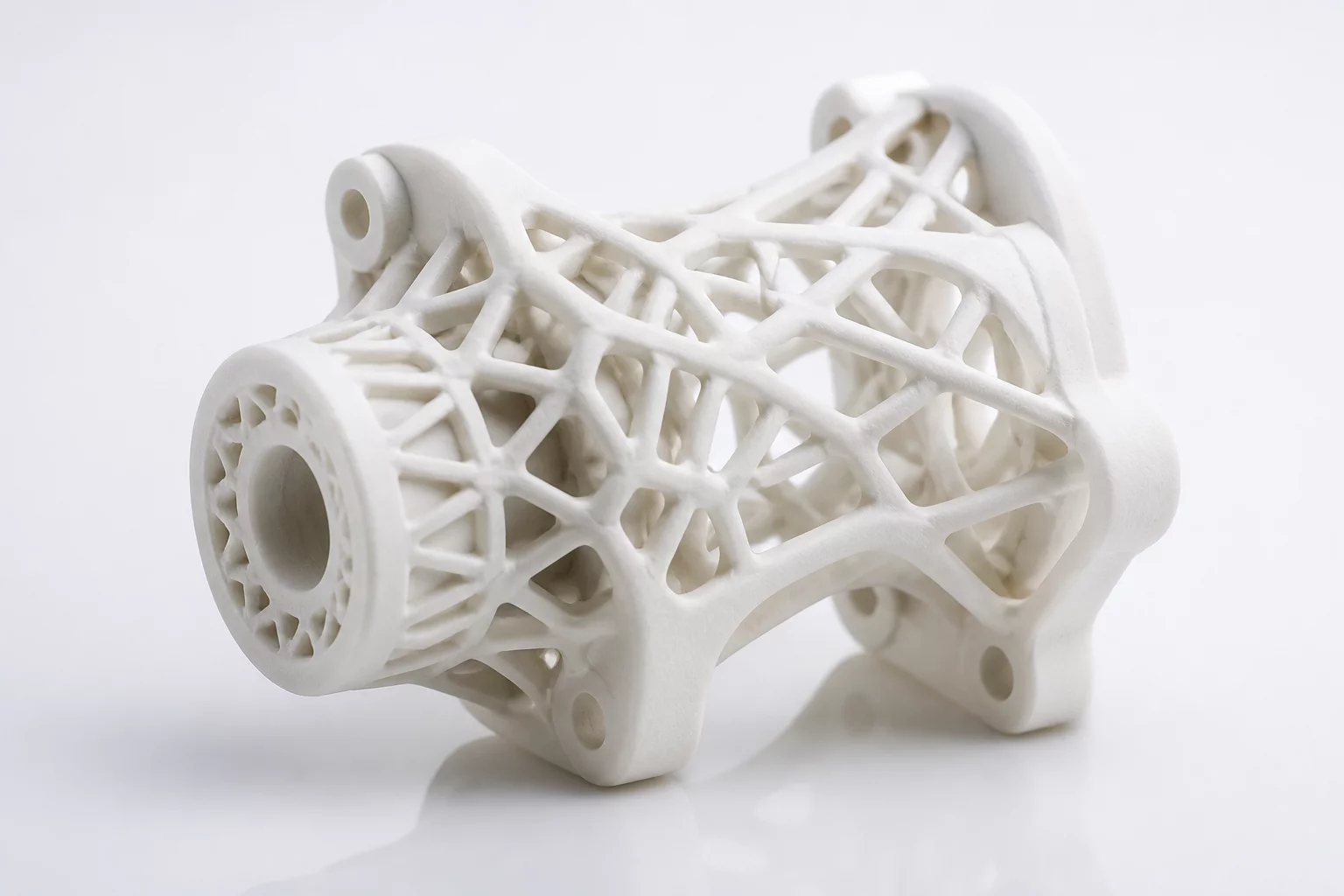
ASTM Committee F42 on Additive Manufacturing Technologies has officially initiated a new work item, WK84355, which focuses on the design of ceramic parts produced via additive manufacturing. This initiative addresses the unique challenges of ceramic materials, such as brittleness and significant shrinkage during the sintering phase. Designers often struggle with translating traditional ceramic manufacturing principles into the additive manufacturing world. The new standard aims to provide clear pathways for optimizing complex geometries while maintaining high structural integrity. It covers material-specific considerations, ensuring that industrial users can rely on standardized methods for creating robust ceramic components. This development marks a significant step toward mature industrial adoption of ceramic 3D printing across aerospace, medical, and energy sectors.
Regulatory and Quality Standards
The proposed standard emphasizes the importance of design for manufacturability (DfM) specific to ceramic feedstocks. It integrates with existing ISO/ASTM frameworks to provide a unified approach to quality control. Key focus areas include internal stress management, layer thickness impacts on final density, and precise post-processing requirements. By establishing these guidelines, ASTM Committee F42 helps manufacturers minimize trial-and-error phases in production. Quality standards will now include specific criteria for evaluating surface finish and internal porosity in ceramic-printed parts, which are critical metrics for high-performance applications where mechanical failure is not an option.
Core Acceptance Metrics
- Geometric precision and shrinkage compensation ratios.
- Minimum wall thickness and support structure efficiency for green bodies.
- Surface roughness thresholds and post-sintering density verification.
Standard Implementation
Implementing WK84355 requires a shift in how engineers approach ceramic prototypes and final parts. It involves using advanced simulation tools to predict deformation accurately during the firing process. The standard provides a checklist for design verification, helping teams determine if a part meets the functional thresholds required for its end-use environment. Adoption of these protocols will likely lead to higher repeatability and lower scrap rates across the industry. Companies using vat photopolymerization or binder jetting for ceramics will find these guidelines particularly beneficial for streamlining their production workflows and ensuring part acceptance.